Politeness and Boundaries
Chinese people often value politeness, respect, and a comfortable sense of boundaries. A sincere and patient first conversation feels safer than asking private questions too early.
Chinese culture, city and travel guide
China is more than landmarks. It is city life, food culture, festivals, regional personalities, and everyday stories. Understanding China first makes cross-cultural connection feel more natural.
Culture first, connection next
From food, tea, and festivals to city streets and daily rhythm, small details can help you understand Chinese people and make first conversations feel more natural.
Chinese people often value politeness, respect, and a comfortable sense of boundaries. A sincere and patient first conversation feels safer than asking private questions too early.
Hotpot, dim sum, noodles, teahouses, and night markets are easy ways to understand daily life in China. Talking about hometown food is often a natural icebreaker.
Spring Festival, Mid-Autumn Festival, and Dragon Boat Festival are closely connected with family. Understanding these holidays helps foreigners understand Chinese values.
Chinese cities feel very different from each other. Beijing is historical, Shanghai is international, Chengdu is relaxed, Hangzhou is romantic, and Xi'an feels deeply historical.
First-Tier Cities
First-tier cities are easier first stops for foreigners: transport is mature, international access is stronger, and modern China is easier to observe.
.jpg)
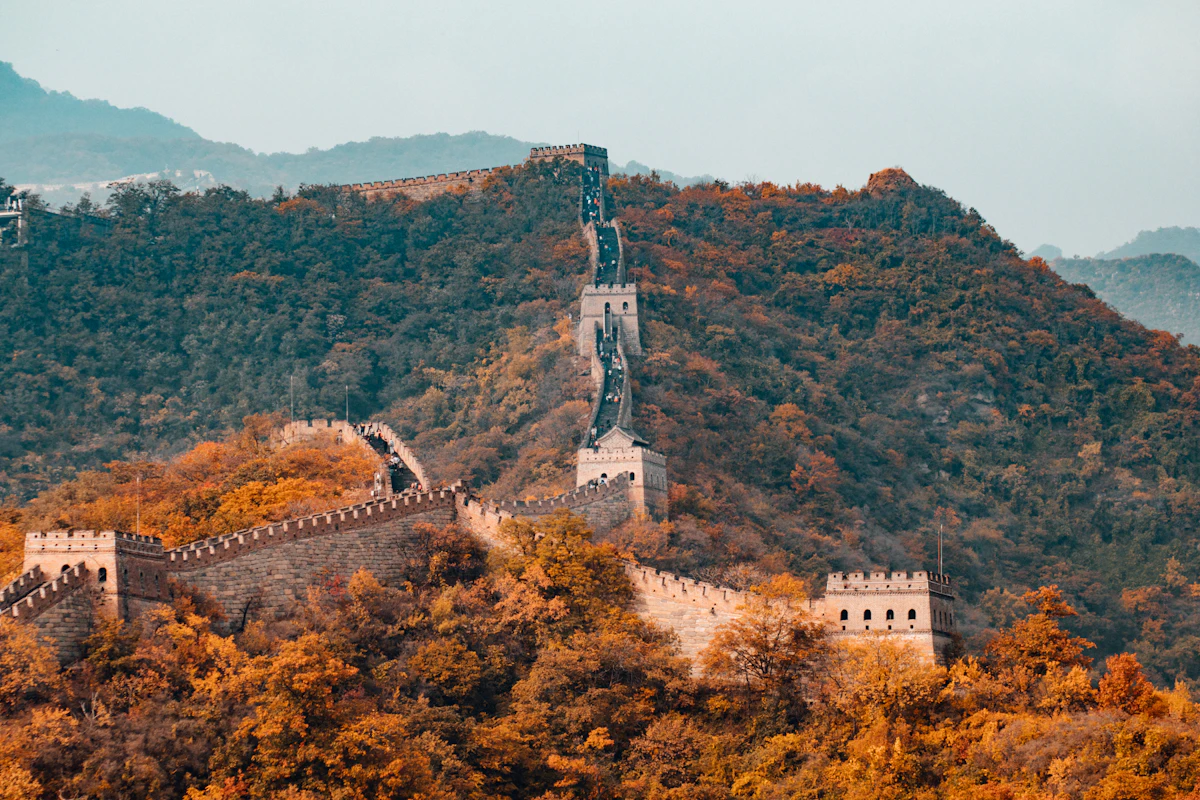
Beijing is a strong first stop for understanding Chinese history and modern city life, from the Forbidden City and Great Wall to hutongs, cafes, and art districts.
Beijing communication can feel direct and practical, while the city still keeps strong traditions. It is ideal for people who love museums, history, and culture.
Best for: First-time visitors, history lovers, and people who want to meet locals living in Beijing
View city guide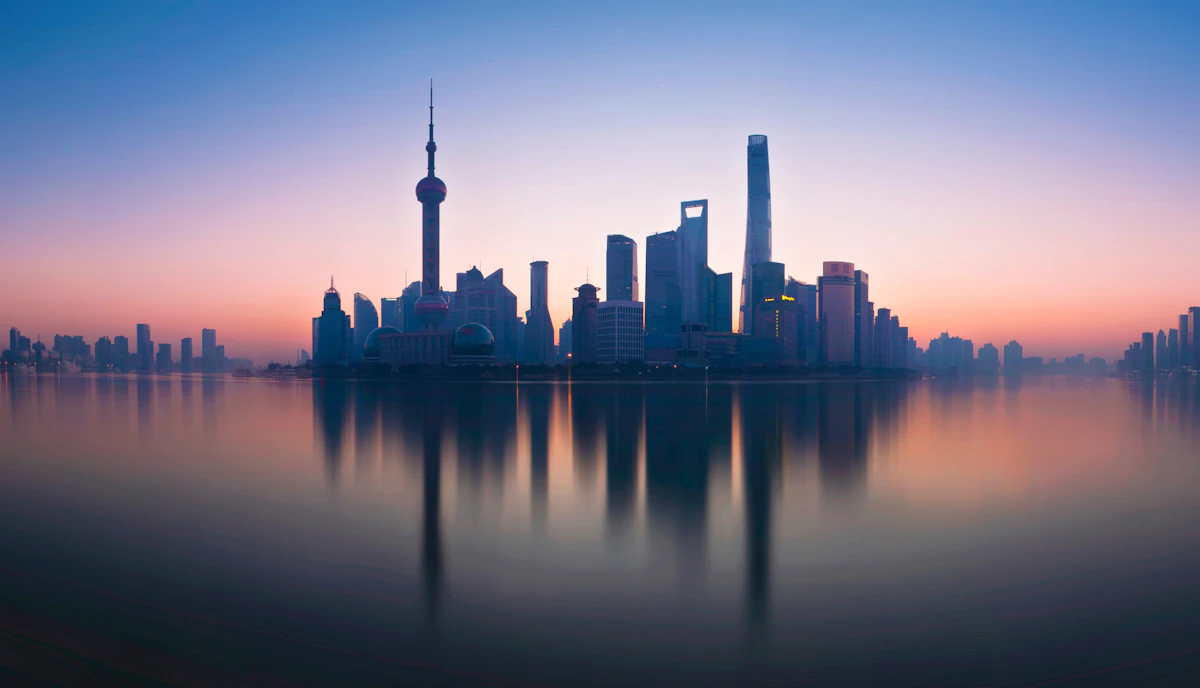
Shanghai is one of China's most international cities and a good place for foreigners to understand modern Chinese work, style, and urban rhythm.
Shanghai values efficiency, design, and lifestyle. The Bund, Wukang Road, cafes, and galleries are all comfortable places for dates and city walks.
Best for: People who like international cities, design, cafes, and walkable neighborhoods
View city guide
Guangzhou has a strong daily-life atmosphere. Dim sum, Cantonese language, old arcades, and Pearl River nights help foreigners feel southern China.
Guangzhou people can feel practical, warm, and lifestyle-oriented. Food and hometown flavors are easy conversation starters.
Best for: Food lovers and people who want a relaxed southern Chinese city experience
View city guide
Shenzhen is young, open, close to Hong Kong, and full of technology companies, seaside walks, and city parks.
Shenzhen is a migrant city with people from many regions, so it often feels open to new lifestyles and international ideas.
Best for: People interested in tech, seaside life, young city culture, and international exchange
View city guideNew First-Tier and Second-Tier Cities
New first-tier and second-tier cities often feel more local and relaxed. Their food, scenery, and city personalities create easier conversation topics.
Hangzhou combines nature and a modern digital economy. West Lake, tea fields, old streets, and modern districts make it romantic and easy to enjoy.
Hangzhou feels gentle and romantic, with tea, lakeside walks, photography, and slower conversations.
Best for: Nature lovers, tea lovers, romantic travelers, and people who enjoy slower trips
View city guideChengdu is one of the easiest Chinese cities to fall in love with, known for hotpot, teahouses, pandas, and relaxed neighborhoods.
Chengdu feels relaxed and humorous. Eating together, drinking tea, and enjoying daily life are central to the city's charm.
Best for: Food lovers, panda fans, teahouse explorers, and people who like relaxed city life
View city guideXi'an is essential for understanding ancient Chinese civilization, with the Terracotta Army, city wall, Bell Tower, and Muslim Quarter.
Xi'an feels historical and grounded, with noodles, night markets, and stories everywhere.
Best for: History lovers, museum visitors, old-city walkers, and traditional food fans
View city guideNanjing has a university-city feeling and deep history, with the Qinhuai River, Sun Yat-sen Mausoleum, plane-tree avenues, and museums.
Nanjing is good for calm conversations and city walks. It is less rushed than first-tier cities but still culturally rich.
Best for: People who like history, university atmosphere, and quieter city life
View city guideChongqing is a mountain city known for night views, hotpot, riverside life, and dramatic urban scenery.
Chongqing people are often warm and direct, and the city feels cinematic and very different from flatter Chinese cities.
Best for: People who like night views, hotpot, mountain-city landscapes, and memorable city scenes
View city guideXiamen is a gentle coastal city, good for experiencing southern Chinese seaside life through Gulangyu, Shapowei, and beachside cycling.
Xiamen is good for slow travel and relaxed dates, with Minnan culture, sea air, cafes, and a university-town feeling.
Best for: People who like seaside life, cafes, slow travel, and relaxed city days
View city guideChoose Cities by Interest
Foreign friends do not need to see everything at once. Choose cities by interest first, and both travel planning and conversations with Chinese friends become easier.
If you want a representative first view of China, start with Beijing and Shanghai, then add Xi'an or Hangzhou depending on your interests.
For ancient capitals, museums, architecture, and Chinese history, focus on Beijing, Xi'an, and Nanjing.
To understand China through food, teahouses, and daily streets, choose Guangzhou, Chengdu, and Chongqing.
For walking, photos, tea, and relaxed conversations, look at Hangzhou, Xiamen, and Shanghai.
To see a younger, open, technology-driven, and international side of China, focus on Shenzhen, Shanghai, and Guangzhou.
First Trip to China
For a first trip, do not overpack the schedule. Two or three cities are enough to combine history, modern life, food, and scenery.
Beijing 3 days + Shanghai 3 days: history and modern China together.
Beijing + Xi'an: Forbidden City, Great Wall, Terracotta Army, and city wall.
Chengdu + Chongqing: hotpot, teahouses, night views, and mountain-city life.
Hangzhou + Suzhou or Xiamen: lakes, gardens, seaside, and slow travel.
FAQ
Read these first, then explore cities and culture. It will be easier to plan a trip and start natural conversations with Chinese friends.
First-time visitors can start with Beijing and Shanghai. Beijing is good for history and traditional culture, while Shanghai shows modern city life. If you have more time, add Xi'an, Hangzhou, or Chengdu.
Hangzhou, Chengdu, Xiamen, and Nanjing are good for slow travel. They offer scenery, teahouses, food, old streets, and a more relaxed daily rhythm.
Yes. Knowing cities, food, festivals, family values, and respectful boundaries makes conversations more natural and trustworthy. Start with city life and interests instead of private questions.
In first conversations or meetings, sincerity, patience, and boundaries matter. Avoid asking about income, family conflict, contact details, addresses, or documents too early.
Good topics include their city, hometown food, language learning, travel, festivals, movies, music, and weekend life. Specific and easy questions usually get better replies.
Yes. It introduces China through cities, culture, food, attractions, and conversation topics without complex terms or one-sided stereotypes.
Keep Reading
These guides help foreign users understand China and create more natural cross-cultural conversation topics.
A practical China guide for foreigners covering Chinese culture, first-tier cities, second-tier cities, and tourist attractions.
Read moreA simple guide to the best Chinese cities for first-time foreign visitors, including Beijing, Shanghai, Chengdu, and Xi'an.
Read moreUnderstand Beijing through the Forbidden City, Great Wall, hutongs, museums, and modern city life.
Read moreA foreigner's guide to Shanghai, from the Bund and Lujiazui to Wukang Road, cafes, galleries, and city walks.
Read more